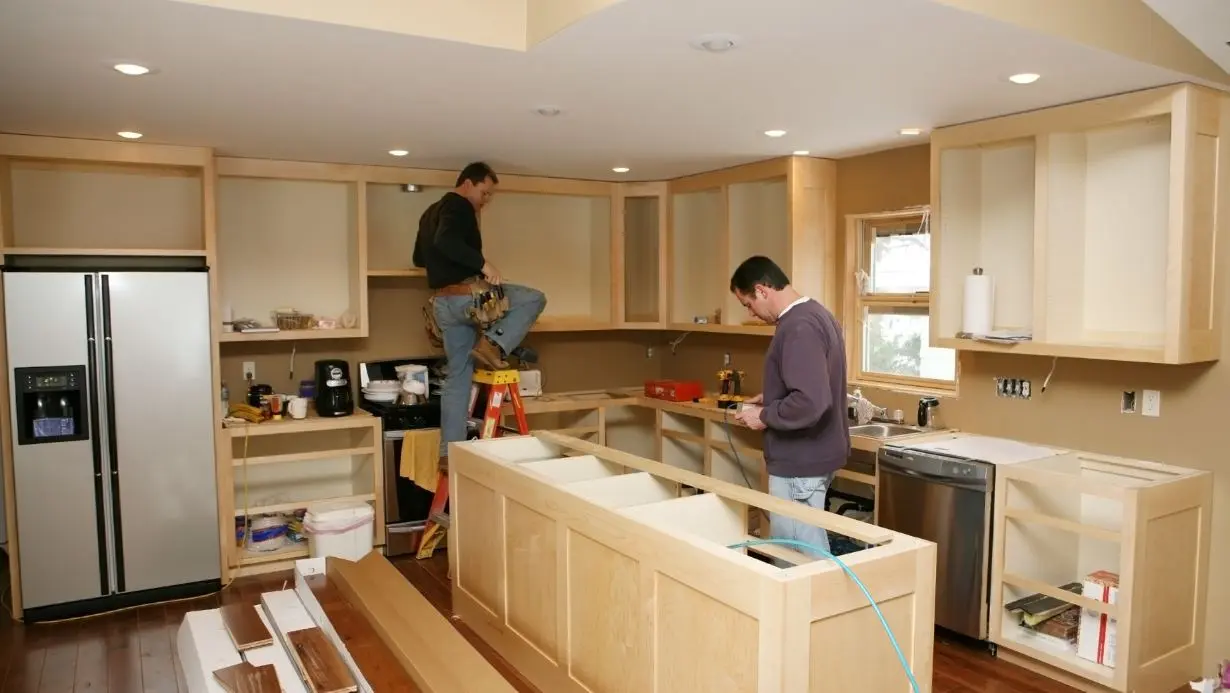
Remodeling or redecorating a home can bring new energy to familiar surroundings. A new kitchen layout, updated flooring, fresh paint, or redesigned living area can improve both appearance and functionality. Yet the period between the old space and the finished result can be challenging. Furniture needs to be moved, decorative items require protection, and contractors need enough room to work efficiently.
Self storage offers a flexible solution by creating temporary space away from the project. Homeowners planning a project in Scottsdale can Contact McDowell Mountain Community Storage when they need additional space for belongings while work is underway. Moving selected possessions out of active renovation areas can make the home easier to manage until everything is ready to return.
Give Contractors More Room To Work
Furniture and household belongings can quickly become obstacles during remodeling. Contractors may need open areas to move tools, building materials, ladders, and equipment safely through the property.
Instead of shifting a sofa from one side of a room to another every time work progresses, placing it in storage removes it from the equation altogether. The same approach can be used for dining tables, cabinets, shelving, rugs, lamps, and other movable pieces.
Clearing the room before work starts also makes it easier to see the available space. When homeowners are contemplating the placement of furniture or new layouts, this can be especially beneficial.
Keep Belongings Away From Renovation Mess
Even relatively small home improvements can produce considerable dust and debris. Sanding, drilling, removing flooring, replacing drywall, and installing cabinetry can spread fine particles beyond the immediate work area.
Covering furniture inside the home provides some protection, but completely removing valuable or sensitive possessions offers another option. Artwork, photographs, electronics, books, decorative objects, and upholstered furniture can be moved away from construction activity until the project is complete.
This approach can also reduce post-renovation cleaning. Rather than having to clean every stored object after construction, homeowners can focus on preparing the completed rooms.
Make Redecorating More Flexible
Storage is useful even when a project does not involve major construction. Redecorating often requires experimenting with different arrangements before deciding what works best.
Perhaps an existing dining table does not complement a new interior style, but the homeowner is not ready to sell or donate it. Instead of forcing an immediate decision, the table can be stored temporarily.
The same principle applies to artwork, rugs, occasional chairs, lamps, and decorative collections. Removing selected pieces creates a cleaner starting point for experimenting with new ideas. Once the redesigned room takes shape, homeowners can decide which older items deserve to return.
Manage Projects One Room At A Time
Whole home remodeling can become overwhelming when belongings from several rooms are moved simultaneously. Self-storage allows homeowners to create a more organized rotation.
Items from the first room can be moved into storage before work begins. After that space is completed, only the belongings that still suit the room need to return. The same process can then be repeated elsewhere.
Labeling boxes according to their original rooms can make this system much easier. Creating a basic inventory also prevents useful belongings from disappearing into stacks of unidentified containers.
Consider The Storage Needs Of Sensitive Items
Scottsdale’s desert climate makes storage conditions an important consideration for certain household belongings. Items such as wooden furniture, electronics, photographs, documents, artwork, and other sensitive possessions may require greater environmental protection than durable household goods.
Indoor climate-controlled storage can provide a more suitable environment for belongings that may not respond well to extreme temperatures. Homeowners should consider the materials, condition, and value of each item when deciding how it should be stored during a project.
Careful packing is equally important. Furniture should be clean before storage, fragile objects should have suitable protective materials, and boxes should be strong enough to remain stacked without collapsing.
Avoid Filling Finished Rooms Too Quickly
One overlooked advantage of temporary storage is that everything does not have to come home immediately after construction ends.
A freshly remodeled room offers an opportunity to reconsider old organization habits. Bringing every possession back at once may recreate the clutter that existed before the project began.
Instead, return essential furniture and frequently used belongings first. Live with the new layout for a while before adding decorative pieces and less important items. Some possessions may eventually find a better location elsewhere, while others may no longer be necessary.
Turn Renovation Into An Organizational Reset
Remodeling and redecorating are ultimately about improving the way a home looks and functions. Temporary self-storage can support that goal by providing breathing room throughout the process.
Rather than navigating around displaced furniture and stacks of boxes, homeowners can maintain clearer working areas while keeping possessions separate from construction activity. Storage also provides time to decide what truly belongs in the redesigned home.
With thoughtful packing and an organized approach, self-storage becomes more than somewhere to leave furniture. It can serve as a flexible part of the remodeling plan, helping homeowners move from a crowded construction period to a cleaner, more intentional finished space.