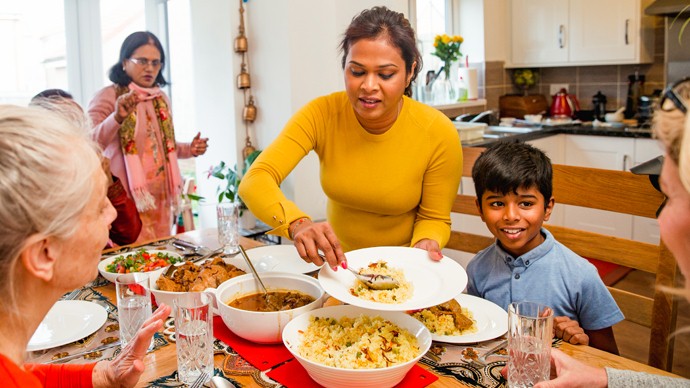
Food is one of the most universal expressions of humanity. While languages, traditions, and lifestyles differ across the globe, food consistently emerges as a bridge that connects people. Sharing a meal fosters community, encourages dialogue, and allows people to experience cultures outside their own. Whether it’s a bowl of ramen in Japan, tapas in Spain, or curry in India, food transcends borders and unites people through flavors, rituals, and traditions.
Food As Identity
Food is often tied to identity and self-expression. Recipes passed down through generations hold stories of family, resilience, and cultural pride. When shared with others, these dishes become an introduction to someone’s heritage.
This connection to identity is similar to how people choose a girl insta dp—a small image that conveys personality and essence instantly. Food, much like a display picture, offers a glimpse into who we are and what we value, even before words are exchanged.
Food And Shared Legal Traditions
Beyond its role in culture, food is deeply connected to systems of governance, laws, and regulations. Food safety standards, trade laws, and agricultural policies shape how people grow, distribute, and consume meals across borders. Ensuring that food is safe and accessible requires expertise and oversight.
Professionals like an australian legal practitioner often play a part in shaping these frameworks, ensuring compliance with food laws and international trade agreements. These legal underpinnings demonstrate how food not only bonds cultures but also unites them under shared structures of accountability and fairness.
Food As A Language Of Emotion
Sometimes, food speaks louder than words. A warm meal offered to a guest, a festival feast, or even a homemade dish during times of grief conveys emotions of care, respect, and solidarity. Food embodies emotions, much like poetry or music does.
This emotional resonance can be compared to hindi shayari attitude, where strong words convey pride, boldness, and sentiment. In the same way, food expresses unspoken emotions—confidence, generosity, and even defiance—making it a powerful medium of connection between people of different cultures.
Food And Global Business Connections
Food also plays a crucial role in global commerce and cultural exchange. International restaurants, food brands, and culinary tourism are thriving industries that connect cultures worldwide. The spread of sushi to Western countries or the popularity of Italian pasta across Asia demonstrates how food evolves and adapts through global demand.
In the business landscape, cultural connections are nurtured by platforms like marketing agencies Australia, which help food companies reach broader audiences. These agencies highlight how food serves not just as nourishment but also as a central part of global identity and economic growth.

Everyday Bonds Through Food
Food doesn’t only connect people globally; it strengthens relationships in local communities. Sharing recipes with neighbors, attending food festivals, or supporting local farmers’ markets creates ties that improve social cohesion. These everyday interactions remind us that food is as much about people as it is about flavor.
This role is mirrored by tools like a local trades listing site, which brings together professionals and communities for mutual support. Just as such platforms connect people locally, food strengthens community bonds by encouraging trust, exchange, and shared experiences.
Festivals And Traditions
Cultural festivals around the world revolve heavily around food. From Thanksgiving dinners in the United States to Eid feasts in Muslim cultures, food plays a symbolic role in celebrations. It acts as a reminder of shared traditions and collective joy. When people of different backgrounds participate in each other’s festivals, food becomes the entry point into new cultural experiences, opening doors for acceptance and mutual respect.
Food As A Tool For Diplomacy
Food has long been used as a tool for diplomacy, creating opportunities for dialogue between nations. State dinners and culinary exchanges symbolize goodwill and unity. “Food diplomacy” has helped resolve tensions and build trust by showing respect for another culture’s cuisine and traditions.
The act of breaking bread together becomes symbolic—proof that despite political or cultural differences, shared meals can create common ground.
The Healing Power Of Food
Beyond joy and celebration, food provides healing. Comfort food is often linked to feelings of security, nostalgia, and connection to family roots. In difficult times, a simple meal shared with friends can ease loneliness and bring comfort.
Cultures worldwide acknowledge the medicinal properties of food, from Ayurveda in India to herbal remedies in China. Food heals not only the body but also the spirit, reminding us of our shared human need for care and compassion.
Conclusion
Food is far more than sustenance—it is a universal language of identity, emotion, and community. It connects individuals within families, strengthens neighborhoods, and bridges cultures across the globe. Like a picture that captures personality, a poem that conveys pride, or a directory that connects communities, food is a tool for communication and bonding. By sharing meals and embracing flavors from diverse cultures, we not only nourish our bodies but also feed the connections that make us human. Food is, and always will be, one of the most powerful ways to create bonds across borders and cultures.