As businesses look for ways to reduce waste and improve the environmental performance of their goods, sustainability has become an increasingly important consideration in product development. Businesses are investigating substitutes designed to decompose more efficiently after use, from textiles and packaging to home goods and industrial materials. But labeling a product as biodegradable involves more than just picking eco-friendly elements.
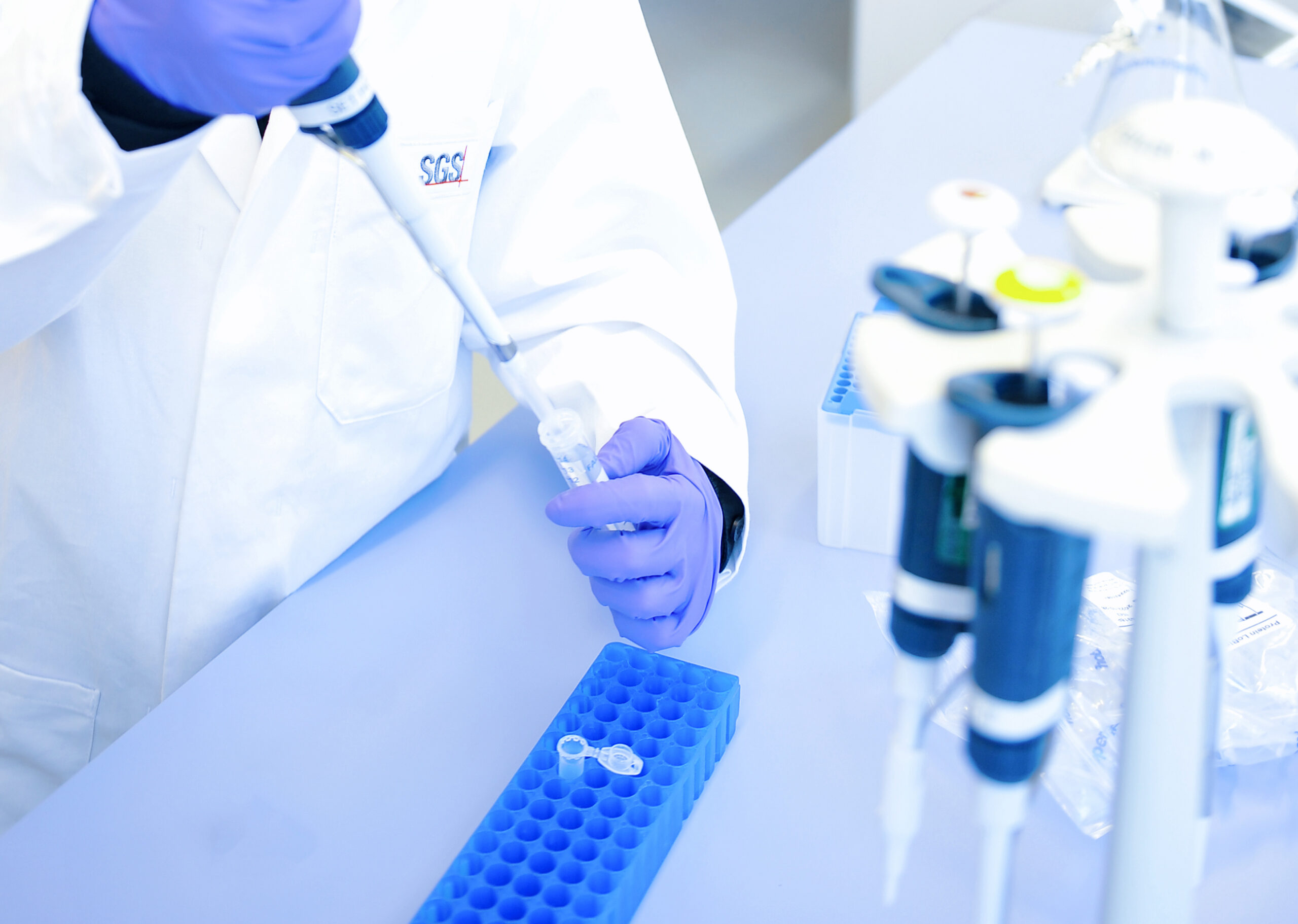
Businesses may get a systematic understanding of how materials respond in certain environmental situations via testing. When determining if a substance can be broken down by biological activity and how that process takes place under controlled circumstances, biodegradability tests might be useful. This knowledge may help companies creating sustainable goods with resource selection, product development, environmental evaluations, and more responsible communication.
Comprehending Biodegradability In Product Development
When microorganisms like bacteria and fungi help break down a material into simpler compounds, this process is known as biodegradation. Depending on the material’s nature and the environment in which it is put, the process might differ greatly.
Degradation may be influenced by a number of factors, including temperature, moisture, oxygen availability, microbial activity, and exposure duration. A substance that decomposes well in one setting could act differently in another. Soil conditions, for instance, vary from those in freshwater habitats, wastewater treatment systems, and industrial composting operations.
Companies should think about a product’s intended end-of-life environment rather than considering biodegradability as a single, universal feature.
Encouraging Improved Material Selection
Comparing possible raw materials is often the first step in the creation of sustainable products. Even when two materials have extremely distinct degrading properties, they may have comparable appearances or be used for similar uses.
During this selection procedure, testing might provide valuable information. Before committing to large-scale manufacturing, companies may assess potential materials to see whether their environmental performance matches the goals of product development.
Product development teams may find materials that need further modification with the use of this method. Early testing may provide knowledge that informs formulation and design choices rather than waiting until a final product is produced.
Recognizing Various Testing Conditions
The method used for each biodegradability evaluation varies. The material, its intended use, and the environment where deterioration is anticipated are often taken into consideration while choosing testing settings.
Anaerobic settings, in which oxygen is not present, or aerobic conditions, in which oxygen is present, may be used in laboratory evaluations to study biodegradation. Other methods can look at behavior in water, soil, compost, or other controlled settings.
Relevant changes over time, such as biological activity or the transformation of material components into simpler compounds, may be measured by well-designed biodegradability tests. What a company wants to know about its product determines which approach is best.
Consistency is another benefit of recognized testing techniques, which facilitates the comparison of outcomes across materials or product formulations.
Including Testing In The Development Of Products
Rather than being seen as a last phase, biodegradability evaluation might be most helpful when integrated into the larger development process. Companies might start by determining a product’s intended use and probable disposal route. After that, they may choose materials and testing methods that take such circumstances into account.
Decisions on material composition, coatings, additives, thickness, package design, or manufacturing procedures may be influenced by the results. Developers may modify a product’s design and assess the updated version if it does not function as expected.
This establishes an evidence-based development cycle whereby environmental factors are assessed in conjunction with commercial needs, usefulness, durability, and safety.
Transitioning To More Conscientious Product Design
Businesses must take into account what occurs both during and after a product’s useful life in order to develop sustainable goods. In order to understand their true end-of-life behavior, material choices that first seem ecologically beneficial may need to be examined more closely.
Biodegradability tests provide a useful method for businesses dealing with biodegradable products to examine such properties under certain circumstances. Testing may assist companies in making more informed choices when paired with careful product design and suitable environmental evaluation.
In the end, evidence is just as important to sustainability as intention. Businesses may create goods with more defined environmental goals, use better materials, and more accurately convey sustainability features by knowing how materials behave after use.